Tattoos are a popular form of self-expression, but not every tattoo remains meaningful forever. Whether your style has changed, the tattoo has faded poorly, or you need to remove it for professional reasons, laser tattoo removal offers a safe and effective solution. Modern laser technology has made the process more efficient than ever, helping many people significantly reduce or completely remove unwanted tattoos.
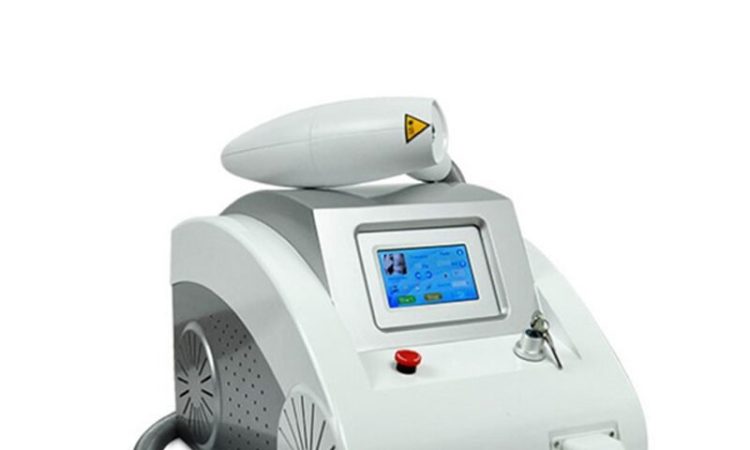
Laser tattoo removal works by using concentrated light energy to target the tattoo ink beneath the skin. The laser breaks the ink particles into tiny fragments, allowing your body’s immune system to gradually remove them over the following weeks. Because the treatment targets the ink rather than cutting the skin, it is considered much less invasive than older tattoo removal methods such as surgical excision or dermabrasion.
The number of sessions required depends on several factors. These include the tattoo’s size, age, color, location, and the type of ink used. Older tattoos often fade more quickly because some of the ink has already been naturally broken down by the body. Black ink is generally the easiest to remove because it absorbs laser light efficiently, while colors like green, blue, and yellow may require additional treatments with specialized laser wavelengths.
Most patients need between six and twelve treatment sessions spaced six to eight weeks apart. This waiting period allows the skin to heal and gives the immune system enough time to flush away fragmented ink particles. Larger or professionally applied tattoos usually require more sessions than small amateur tattoos.
Many people wonder if laser tattoo removal is painful. The sensation is commonly described as similar to the snap of a rubber band against the skin. While discomfort varies from person to person, most clinics offer cooling devices or topical numbing creams to make the procedure more comfortable. Each session usually lasts only a few minutes for small tattoos, while larger designs may take longer.
After treatment, the treated area may appear red, swollen, or slightly blistered. These reactions are normal and usually disappear within a few days. Proper aftercare is essential for the best results. Patients should keep the area clean, avoid direct sunlight, resist picking at scabs, and follow all instructions provided by their healthcare professional. Wearing sunscreen on the treated skin can also help prevent unwanted pigmentation changes.
Laser tattoo removal is generally considered safe when performed by a trained and experienced practitioner. However, like any cosmetic procedure, there are potential risks. Temporary skin irritation, changes in skin color, blistering, and, in rare cases, minor scarring may occur. Choosing a reputable clinic with modern laser equipment significantly reduces these risks.
Not everyone is an ideal candidate for laser tattoo removal. Individuals with certain skin conditions, active infections, or those who are pregnant may need to postpone treatment. A consultation with a qualified dermatologist or laser specialist can determine whether the procedure is suitable based on your medical history and skin type.
It is also important to have realistic expectations. While many tattoos can be nearly invisible after a complete treatment series, some may leave behind faint “ghost” images or slight pigment changes. Complete removal depends on factors such as ink depth, tattoo quality, and individual healing ability.
In conclusion, laser tattoo removal is one of the most effective and safest methods available for removing unwanted tattoos. Although it requires patience and multiple treatment sessions, advancements in laser technology continue to improve results while minimizing side effects. By choosing an experienced provider and following proper aftercare, patients can achieve smoother skin and greater confidence as they move beyond unwanted ink.