Introduction
The fastest kitchens are rarely the ones that work the hardest. More often, they are the ones with the clearest systems. Stock tracking and kitchen speed may seem like separate concerns, but in reality they depend on each other. If the kitchen does not know what is available, service slows down. If stock is tracked well, the team can move with more confidence.
Inventory management software and kitchen display system tools help connect those two sides of the restaurant. Together, they give the kitchen better visibility, faster response times, and fewer interruptions during service.
Why Stock Tracking Affects Kitchen Speed
When stock tracking is weak, the kitchen spends time dealing with uncertainty. Staff need to ask whether ingredients are still available. The team may begin preparing a dish and then discover a missing component. The service flow gets interrupted, and the whole shift feels slower.
That is why stock tracking should be seen as part of kitchen performance, not just a paperwork task. If the kitchen knows what is in stock, it can prepare more efficiently. The cooks do not need to stop and check every few minutes. They can trust the system and keep working.
A kitchen that has this kind of clarity usually feels more stable during peak hours.
How Inventory Management Software Improves the Setup
Inventory management software gives the kitchen a more accurate view of what is being used and what needs replenishing. Instead of waiting for a shortage to become obvious, the team can see the stock movement earlier and make adjustments before the rush begins.
This is especially helpful when the restaurant handles multiple menu items that share ingredients. A low stock on one core item can affect several dishes at once. If the software shows that movement clearly, the team can act before the issue becomes visible to customers.
That kind of foresight helps the kitchen work faster because it reduces last minute scrambling.
Why the Kitchen Display System Changes the Way Orders Move
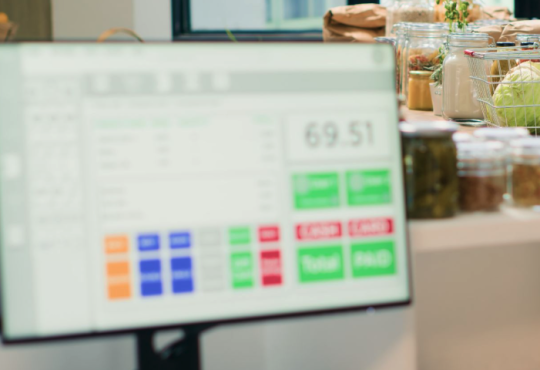
A kitchen display system gives the team a digital view of incoming orders. Instead of relying on printed slips or scattered instructions, the staff can see what is coming in on screen and prepare accordingly. That makes the process cleaner and easier to follow.
When the kitchen display system is connected with stock tracking, the kitchen starts to work with a fuller picture. The team knows what has been ordered, what ingredients are needed, and how much stock is available. That removes a lot of guesswork.
The result is a smoother handoff from order entry to food preparation.
Why Faster Kitchens Need Better Visibility
Speed in a kitchen is not only about cooking faster. It is also about removing the pauses that happen when staff have to stop and check something manually. Better visibility reduces those pauses.
If a kitchen can see orders, stock levels, and prep status in one connected environment, it becomes easier to stay ahead of the service rush. The team is not reacting to problems all day. It is managing them earlier.
That difference matters in restaurants where timing is tight. A few saved minutes in the kitchen can make the whole service feel more controlled.
Why Inventory and Kitchen Systems Should Work Together
A lot of restaurants treat inventory and kitchen operations as separate responsibilities. In practice, they are deeply linked. What is sold affects what is stocked. What is stocked affects what can be prepared. What can be prepared affects how fast the kitchen can serve.
When inventory management software works with a kitchen display system, the restaurant gets a stronger chain of control. The manager can see what needs to be restocked. The kitchen can see what needs to be prepared. The front of house can feel more confident about what the restaurant can deliver.
That kind of connection makes the kitchen faster without making it more chaotic.
Why This Matters More During Busy Hours
During a quiet shift, almost any system can survive. During a busy service, weak stock tracking shows its problems quickly. If the kitchen is short on ingredients or unclear on what needs to be prepared, the delay is immediately visible.
A connected setup helps restaurants avoid that pressure. Inventory management software gives the stock picture. A kitchen display system gives the service picture. Together, they help the restaurant move in one direction instead of several at once.
Conclusion
Connecting stock tracking with faster kitchen operations is one of the simplest ways to improve restaurant performance. When inventory management software and kitchen display system tools work together, the kitchen becomes more informed, more efficient, and less likely to hit avoidable delays.
For restaurants that want faster service without sacrificing control, this kind of connection is one of the smartest operational upgrades they can make.