Introduction
A kitchen can be the most intense part of a restaurant, especially when orders keep coming in from different channels at the same time. Paper tickets pile up, verbal updates get missed, and the kitchen staff end up trying to track what needs attention first. That is where a clearer system changes everything.
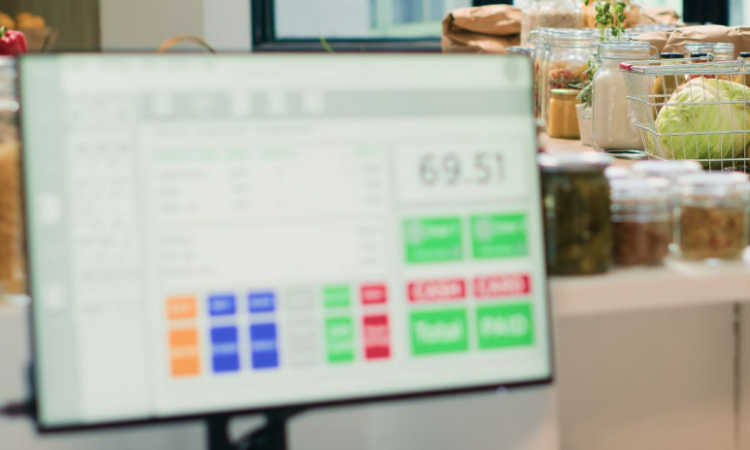
A modern restaurant pos paired with a kitchen display system gives the team a better way to work. Instead of depending on paper KOTs and scattered instructions, the kitchen can see orders in a cleaner, faster way. For restaurants that want better rhythm between the floor and the back of house, this combination makes a real difference.
Why Kitchens Need More Than Paper Tickets
Paper tickets can work in a small, slow environment, but once the restaurant starts getting busy, they become difficult to manage. Tickets can get misplaced. Handwriting can be hard to read. Orders from online platforms can come in while dine in tickets are already being handled. The result is confusion that slows everything down.
A kitchen display system helps replace that chaos with structure. Orders appear on screen, so staff can track them more easily. That means the team spends less time sorting tickets and more time cooking. It also makes the whole flow feel more modern and more reliable.
When the kitchen knows exactly what is coming in, the chance of mistakes goes down. That has a direct impact on service quality.
How Restaurant POS and KDS Work Better Together
A restaurant pos is the starting point for the order journey, but the kitchen display system completes the loop. When the two tools are connected, the front of house and back of house stop feeling like separate worlds. Orders move from the counter or server app directly into the kitchen screen without extra manual steps.
That connection matters because it keeps the order information cleaner. The kitchen sees the right details, the correct timing, and the current status. The staff do not need to ask for repeated clarification or stop work to confirm a dish.
For restaurants with multiple sections, this becomes even more useful. Different dishes can be routed to different stations, and each team can focus on what they are actually responsible for. That is one of the easiest ways to improve kitchen coordination without making the process complicated.
Why Clarity Reduces Pressure on the Kitchen Team
Kitchen staff do their best work when they are not forced to guess. A display system helps them see what needs to be prepared, what has been marked ready, and what is still in progress. That small layer of clarity can lower stress during peak hours.
The system also helps keep the flow more consistent. When a team can see the full order queue in one place, it becomes easier to prioritize, sequence prep, and avoid bottlenecks. That means fewer missed items and fewer last minute corrections.
A kitchen that feels organized is usually faster and more stable. It is also easier for new staff to learn because the process is visible instead of hidden inside random paper trails.
Why Better Visibility Helps Service Speed
One of the best things about a kitchen display system is the way it helps the front of house and back of house stay aligned. When the kitchen can mark food as ready from the screen and the restaurant pos reflects that status, the rest of the team can respond faster.
That means servers do not need to keep checking manually. The counter does not need to chase updates. The entire service path becomes more predictable. In a busy restaurant, predictability is a huge advantage because it reduces the chance of missed communication.
Restaurants that want better kitchen coordination often discover that the real issue was not effort. It was visibility. Once everyone can see the same information, the work starts to feel smoother.
Why This Setup Is Good for Growing Restaurants
As restaurants grow, the back of house gets more complicated. More orders. More stations. More menus. More staff. A system that once felt manageable can become messy very quickly if it is still based on verbal updates and paper tickets.
A kitchen display system helps restaurants scale with more control. It gives chefs and managers a consistent way to track activity, and when paired with a restaurant pos, it creates a cleaner workflow from order entry to final plate.
That is especially useful for restaurants that take online orders from multiple platforms. When dine in and online orders appear in one view, the kitchen can organize work more effectively and avoid confusion.
Conclusion
Better kitchen coordination starts with better visibility. A modern kitchen display system gives restaurant teams a cleaner way to manage orders, reduce paper clutter, and keep the pace under control. When it works alongside a strong restaurant pos, the whole operation becomes easier to follow and easier to run.
For restaurants that want the kitchen to stay calm even when service gets busy, this kind of setup is one of the most practical upgrades available.