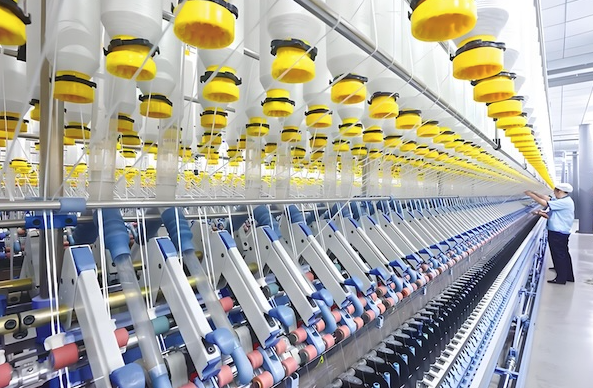
In today’s fast-evolving textile industry, functional yarn has become a cornerstone of sustainability, performance, and innovation. As consumer expectations shift toward environmentally conscious and high-performance products, manufacturers are redefining polyester yarn technologies to meet these demands. Eco-friendly, recycled, dope-dyed, antimony-free, biodegradable, and advanced performance yarns are emerging as essential materials that support both modern textiles and global sustainability goals.
Functional yarn refers to engineered fibers designed to provide specific benefits—such as moisture management, UV protection, thermal regulation, durability, and environmental safety—beyond the capabilities of standard yarns. This makes them ideal for apparel, home textiles, automotive fabrics, industrial applications, and technical textiles.
One of the most impactful advancements in functional yarn manufacturing is recycled polyester yarn. Made from post-consumer PET bottles or industrial waste, recycled yarn drastically reduces landfill pollution and decreases energy consumption during production. It helps brands meet circular economy goals while maintaining strength, consistency, and versatility. These yarns support eco-friendly textile lines without compromising performance.
Dope-dyed yarn is another breakthrough in sustainable production. Instead of dyeing finished fabrics—an approach that requires massive water usage and chemicals—the dope dyeing process colors the yarn at the spinning stage by injecting pigments directly into the polymer. This results in richer colorfastness, reduced water consumption, lower carbon emissions, and uniform color quality. Dope-dyed functional yarn provides an excellent solution for brands aiming to reduce their environmental impact while achieving long-lasting vibrant colors.
Growing health and safety concerns have also led to the creation of antimony-free polyester yarn. Traditional polyester production uses antimony catalysts, raising ecological and human-health considerations. Antimony-free yarn eliminates these risks, making it suitable for sensitive applications like baby products, medical textiles, sportswear, and eco-certified apparel. This innovation reinforces the industry’s move toward safer, cleaner fibers.
One of the most exciting developments is biodegradable polyester yarn, engineered to decompose efficiently at the end of its lifecycle. While maintaining the performance benefits of traditional polyester—strength, elasticity, abrasion resistance—these yarns break down more rapidly in controlled environments, significantly reducing long-term plastic waste. They offer a practical solution for brands committed to lowering environmental footprints across entire product lifecycles.
Beyond sustainability, performance remains a critical factor. Modern functional yarns are designed with advanced features such as moisture-wicking, anti-bacterial properties, odor control, UV resistance, quick drying, and high tensile strength. These attributes enhance comfort, safety, and durability, making them preferred materials for sportswear, outdoor gear, workwear, and smart textiles.
Manufacturers specializing in eco-friendly and functional yarns are shaping the future of textiles by merging environmental responsibility with technical excellence. Their innovations empower brands to produce fabrics that are not only stylish and high-performing but also aligned with global sustainability trends.
As demand for smart, responsible materials continues to grow, functional yarn will remain at the forefront of textile innovation—driving a cleaner, safer, and more technologically advanced future for the industry.